
22.05.2025 Seminar-Training in frame of RURALED Project
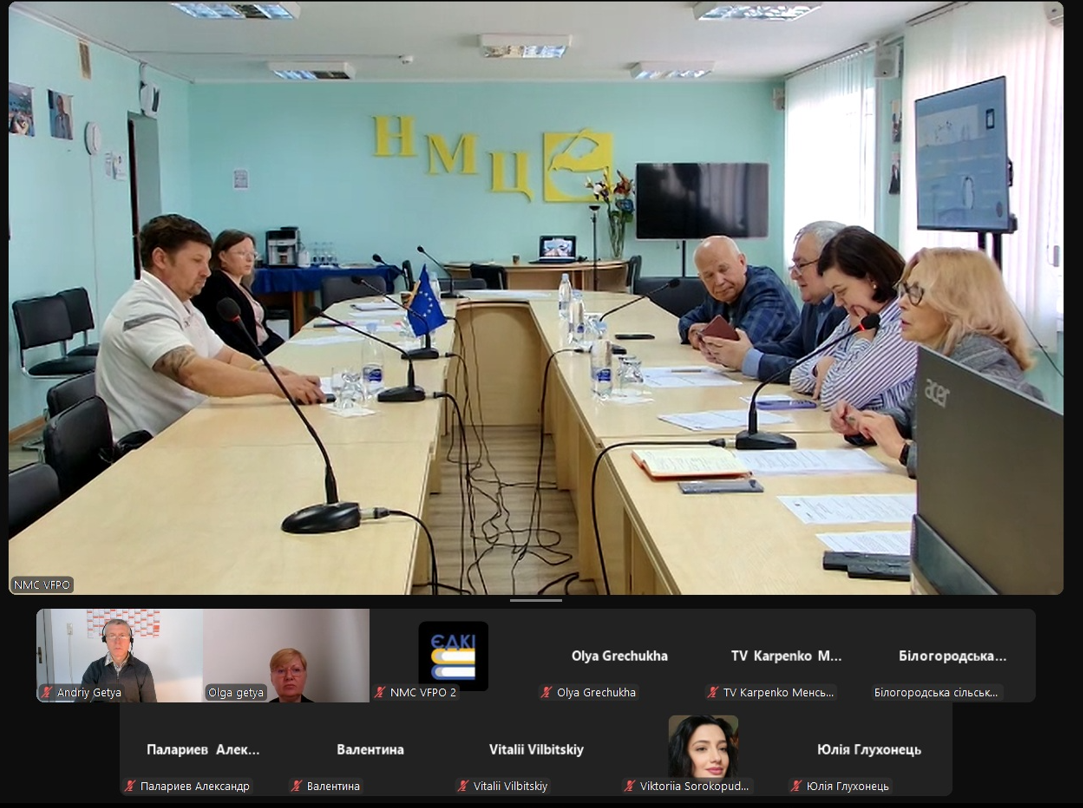
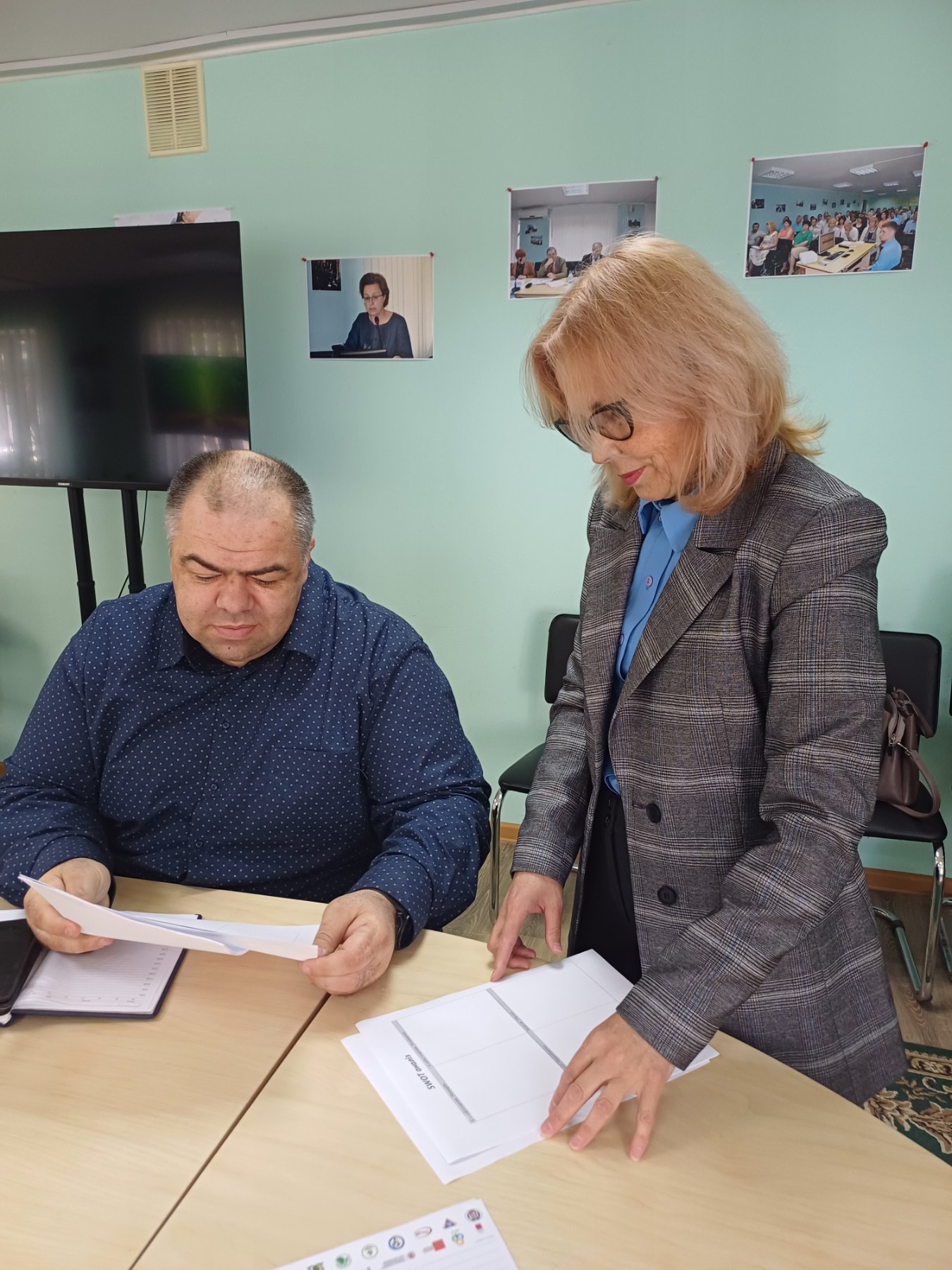
As part of the RURALED project, on May 22, 2025, representatives of the GEST company held a practical seminar - training on the topic "From village to "smart village", where they presented the concept of "Smart Village".
The seminar aroused great interest, as it was attended by representatives of communities, the Association of Agricultural Advisory Services, the National Development Agency of Ukraine, the Association of Rural Self-Government, representatives of colleges, agribusiness, scientific institutions, and even students.
The seminar presented the concept of "Smart Village", presented best practices for developing such villages in Ukraine and Europe.
Also discussed were ways to improve life in rural communities, the possibility of creating "smart villages" in Ukraine, and presented the Roadmap.
This was the first seminar of 6 planned, so we hope that the next events will be no less interesting.
11-15 September 2023 We are studying the experience of food clusters in Hungary
 As part of the UniClaD project, experts from GEST took part in a study visit to Debrecen in Hungary. As well as educational activities, the planned programme included developing healthy and wholesome food products and demonstrating innovative and traditional food technologies. This will enable the transfer of knowledge to the business sector. This knowledge will improve the ability to apply research and development results in practice, supporting cooperation between businesses and the research sector and strengthening partnerships. Popularising Hungaricums and local food products increases public awareness and demand for natural products. The Hungarian partners demonstrated that developing key skills in the labour market and ensuring the acquisition of competitive knowledge through developed infrastructure can contribute to the long-term competitiveness of the food economy and support the transformation of Debrecen into an innovative economic and knowledge centre.
Therefore, we are considering how we can adapt our partners' experience for our own purposes.
12-16.06.2023 We are studying Poland's experience
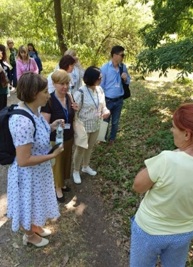
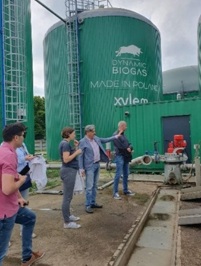
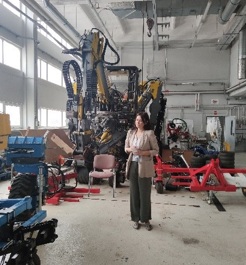
Thanks to the UniClaD project, GEST experts and other team members visited Poland to study the country's experience of creating clusters. The visit was organised by our colleagues at the University of Life Sciences in Poznań.
As part of the visit, we had the opportunity to visit the Łukasiewicz Poznań Institute of Technology (PIT). This is a new, multidisciplinary research and development unit operating on an international scale. The Łukasiewicz PIT provides comprehensive, attractive and competitive business solutions in the fields of automation, chemicals, biomedicine, ICT (information and communication technologies), materials and advanced manufacturing. With 8,000 employees and 28 research institutes located in 12 Polish cities, it is the third largest research network in Europe. Members of our group had the opportunity to meet with experts from the Centre to discuss information on clustering, networking, and cooperation in value chains and supply networks.
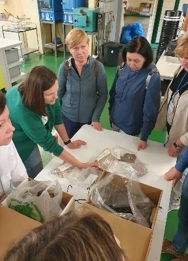
We also had the opportunity to get acquainted with the Poznań Guild during the visit. We learned how it works, its structure, and how food producers, wholesalers, importers, and agricultural producers can participate. Wielkopolska Gildia Rolno-Ogrodnicza S.A. is a modern wholesale market selling fruit, vegetables, food products, fresh and artificial flowers, floral accessories, and decorative products.
The visit to the Centre for Wood Technologies, which conducts research and runs projects in the woodworking industry, dealing comprehensively with issues of wood processing, application and the creation of new composites based on the material, was very interesting.
We had the opportunity to visit Rolniczo-Sadownicze Gospodarstwo Doświadczalnie Przybroda, one of ten agricultural experimental stations belonging to Poznań University of Life Sciences. This multidisciplinary farm includes agricultural, livestock and fruit production, as well as an operational agricultural biogas plant. The farm's agricultural production focuses on growing commercial grains and industrial crops, as well as producing roughage for its own livestock. The focus of livestock breeding is mainly on black-and-white dairy cattle. Horticulture, on the other hand, focuses mainly on apple plantations and includes almost all types of fruit trees and shrubs grown in our climate zone.
Our Polish colleagues from PULS told us about food clusters in Poland. Polish agri-food clusters have gone through three stages: organisation, flourishing and decline. Few of the entities that emerged 10 years ago are still operating as they were then. Some of the clusters are fully formed, while others rely on the interaction of individual members. PULS continues to participate in various connections as a research institution. A lack of financial support, the absence of a law on clusters and subjectivity are the main obstacles to cluster activity functioning and developing.
Therefore, when studying the experience of creating clusters in neighbouring countries, we should take the best practices into account and learn from mistakes!
22-26.05.2023 Visit to Bari to study the Italian experience

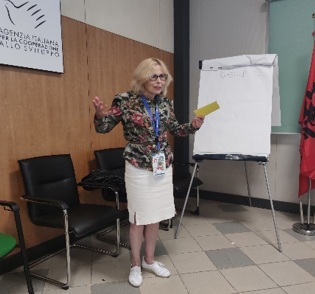
As part of the Erasmus+ UniClaD project, GEST experts had the opportunity to take part in a study visit to examine the cluster system in Italy.
This visit was organised by the Mediterranean Agronomic Institute of Bari in Italy. The main objective was to introduce participants to cluster typologies that promote territorial food systems based on the valorisation of local products, multi-stakeholder partnerships and alternative food value chains.
Two local clusters were presented to the participants for analysis: the 'Food District Sud_Est Barese' and the 'Biodistrict delle Lamie', both located in the Bari area. Participants on the study tour had the opportunity to meet key stakeholders in these areas and learn more about the clusters' origins, scale, partnerships, activities, innovations, and challenges.
The study tour included workshops with experts, interviews, and visits to key informants and seminars.
We were fortunate enough to visit a farm specialising in Acquaviva Red Onion oil production, a Primitivo wine producer and an EVO olive oil producer, as well as a mozzarella cheese producer. During the visit, we also held meetings and interviews with producers, the mayor and regional administration, entrepreneurs, and university researchers.
Topics of particular interest included strategies for start-ups to survive in a constantly changing world, and the sustainability of agri-food products in the Puglia region.
26-30.03.2023 We study the experience of clusters in Austria
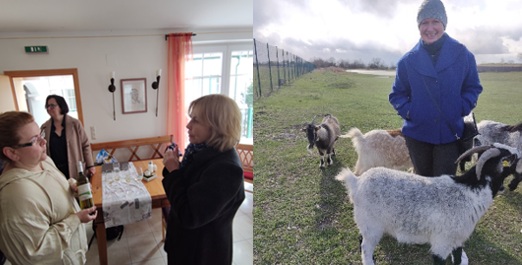
As part of the Erasmus+ UniClaD project, the company's experts took part in a study trip to Austria organised by the Federal Institute for Agricultural Economics (BAB) and the University College of Agricultural and Environmental Pedagogy (UCAEP).
The programme included visits to Austrian clusters specialising in Green Care, Nature Education, Farm Holidays, Eco-pedagogy, food clusters, and agricultural technologies.
We had the opportunity to learn from UCAEP's experience in developing high-quality, innovative educational programmes (since 2006, the theoretical basis of Green Care and Social Farming has been developed). It was interesting to learn about their research, which could serve as an example for my own work.
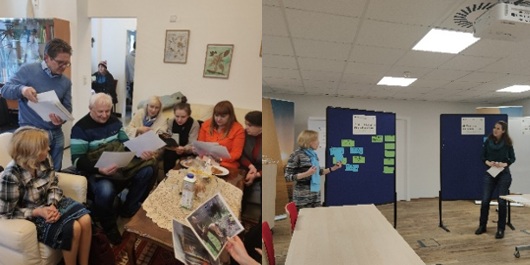
Research in agricultural pedagogy: during this training, students acquire the necessary qualifications to teach in agricultural and forestry science schools, as well as in further education for adults. The main focus is on subject areas such as business management, agricultural sciences, food sciences, regional management, educational sciences, personal development, and project management.
- Research in environmental education: The environmental education curriculum places great importance on students' qualifications in environmental studies, sustainable development and pedagogy. The programme covers issues such as sustainable development at local and regional levels, climate protection, energy efficiency, educational sciences, personal development, and project management.
Visits to clusters such as 'Horticultural Therapy', 'Holidays on the Farm and Eco-Pedagogy', the 'Farm Holiday' enterprise, the 'PANNATURA' farm and the 'Animal-Assisted Intervention' eco-pedagogical enterprise were very interesting.
20.03.2023 New project - new knowledge, new experience. We are starting work in the SULAWE project
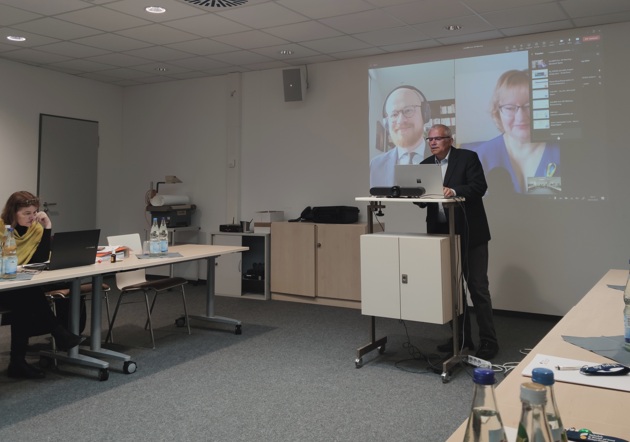
The kick-off meeting for the Erasmus+ SULAWE project was held at the University of Nürtingen-Geislingen in Germany. Some of our experts were among the participants.
On the first day of the meeting, all consortium members were present, including universities and associations. Svitlana Shytikova (NEO officer) and Emanuel Gerth (EACEA project officer) congratulated the participants and wished them success in implementing the project.
As part of the meeting, the work packages were presented and the main areas of work for their implementation were outlined.
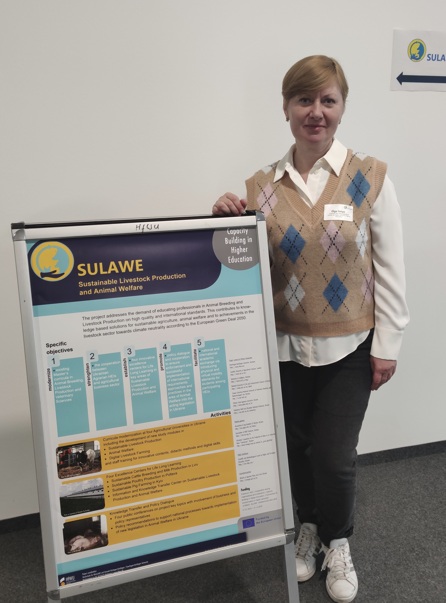
Participants in the programme also had the opportunity to visit the university’s experimental farm and several of its campuses.
We familiarised ourselves with poultry farming, animal restraint equipment from various manufacturers, training rooms and laboratories.
24.04.2020 A new UniClaD project is launched

Experts from GEST are participating in the UniClaD ERASMUS+ project.
The kick-off meeting took place online on 24 April 2020. Fifty experts from nine countries and 24 partner institutions attended the meeting.
The participants were welcomed by the heads of the national Erasmus+ offices in Ukraine, Moldova and Azerbaijan.
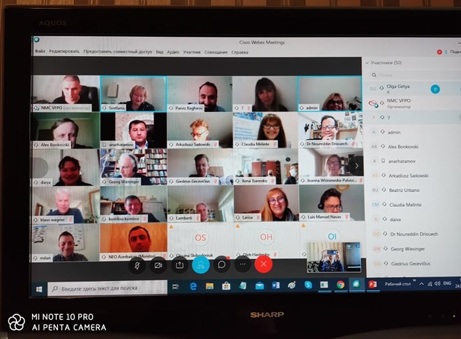
The meeting provided an opportunity for the partners to meet each other, strengthen the contacts established during the application process, identify weaknesses in the organisation and planning of the project, and determine the next steps to ensure the development of project activities.
15-16.04.2019 Exchange experience with colleagues
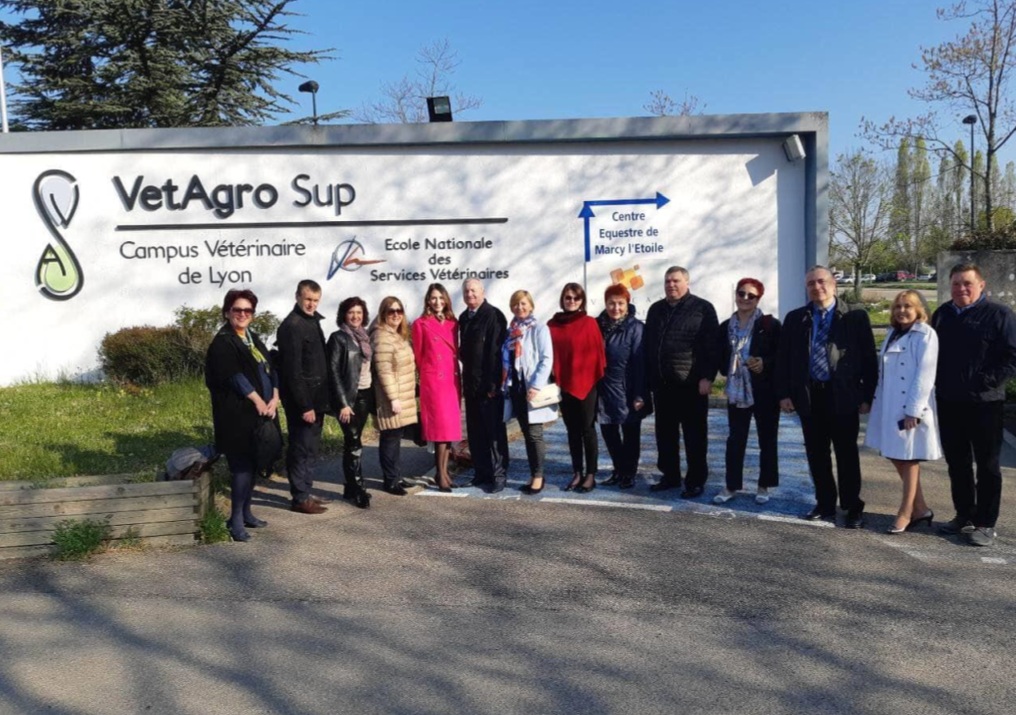
As part of the Ag-lab project, experts from the GEST company took part in a Coordination Council meeting at VetAgroSup Lyon (France). The meeting participants were welcomed by VetAgroSup's General Director, Ms Emmanuelle Soubeyran. She emphasised the importance of international cooperation for the school, noting that this project builds on previous collaborations with Ukrainian institutions in veterinary medicine and laboratory science.
The following issues were discussed at the meeting:
- - A report on project activities for the period December 2018 – April 2019;
- - Preparation of an interim report and an interim quality report;
- - Work on developing the project web portal and distance course content;
- - A work plan for the period April – October 2019;
- - A summary of work done on the manual and continuation of work according to the plan;
- - The start of student training at EU partner institutions
8-12.04.2019 The GEST expert participated in a training session dedicated to validating the PCR method.
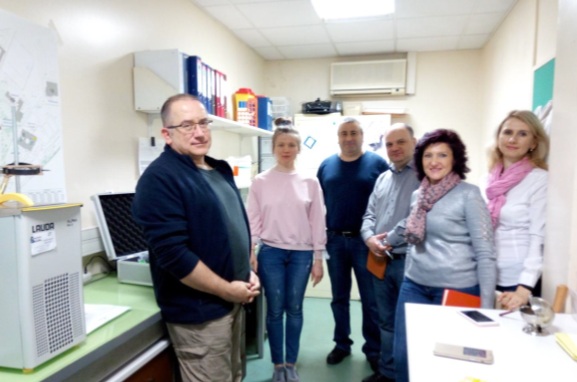
From 8 to 12 April 2019, Liudmila Stepura and Robert Girard, experts from GEST, took part in a study visit to VetAgroSup together with other participants of the Ag-Lab project. Based on proposals formulated by the participants during the previous study visit to VetAgroSup Lyon in 2018, the study visit was practical in nature.
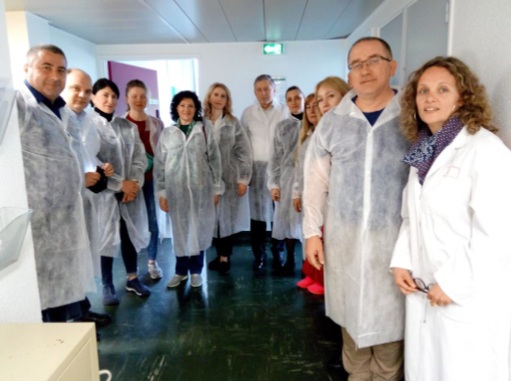
The training sessions took place in two laboratories: the metrological laboratory of VetAgroSup and the departmental veterinary reference laboratory. The training was conducted by Mr Robert Gérard, Head of the Metrological Service at VetAgroSup. The students learnt how to use Excel for metrological purposes, such as creating a database of measuring instruments in the laboratory, monitoring the verification and calibration of measuring instruments, calculating metrological error, issuing control cards and verifying and calculating the measurement error of scales, thermometers and pipettes. Each explanation was accompanied by practical exercises performed by the students and checked by Mr Gerard. A training session dedicated to the validation of the PCR method was organised in the departmental veterinary reference laboratory.